Precision Engineered AI Companion Toys & Tooling Assemblies
From embedded dynamic OLED eye mechanics to reinforced dual-shot mold designs, explore our export-certified reference models manufactured for global OEM/ODM brands.
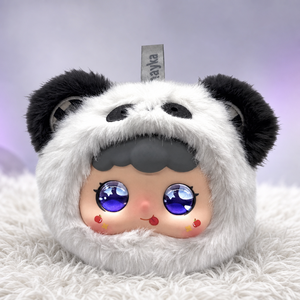
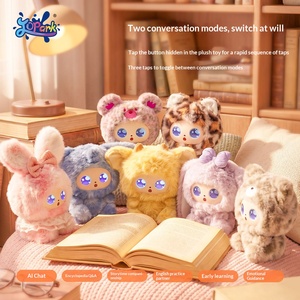
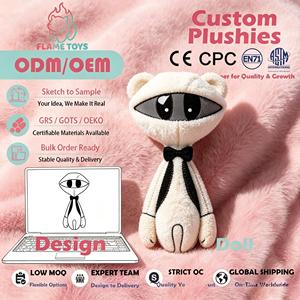
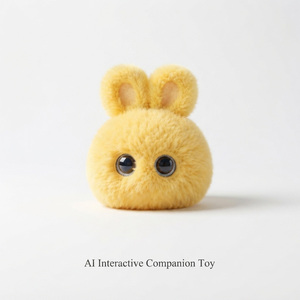
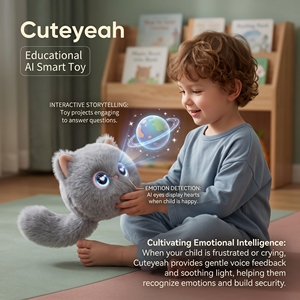
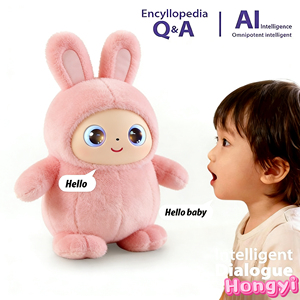
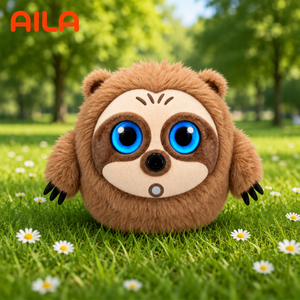
The Mechanics of AI Toy Mold Design: Acoustic, Thermal & Structural Integration
Designing plastic injection molds for standard toys requires aesthetic and physical durability. Sourcing an AI-integrated toy mold demands rigorous co-engineering of mechanical cavities, sound transmission channels, and electro-thermal dissipation.
Acoustic Isolation Cavities
Voice recognition engines fail when internal speaker vibration loops back into the dual-microphone array. Our mold designs utilize independent internal chamber seals with anti-vibration silicone gaskets, isolating far-field speech capture from motor rumble and speaker resonant frequencies.
Screen & Optical Tolerances
Dynamic emotional eyes require high-clarity IPS/OLED sub-assemblies. Tooling design incorporates stepped bezel ribbing to prevent light leakage while ensuring child-safe drop-test survival under ASTM F963 criteria without cracking display glass or deforming the outer ABS/PC resin shell.
Seam Flange & Snap Fit Design
Plush-to-plastic mechanical interlocks present significant manufacturing variance. Our CNC toolmakers implement self-locking barbed rims and recessed sewing grooves that lock fabric shells tightly onto internal mechanical skeletons, preventing seam separation under high-torque pull-force inspection.
Four Standard Production Routes: Budget, Tooling & Timeline
Avoid trial-and-error costs. We deploy standardized hardware frameworks coupled with flexible industrial design tiers to maximize product release efficiency.
| Development Route | Tooling & Mold Scope | Electronics & System Architecture | Sampling Cycle | Primary Buyer Target |
|---|---|---|---|---|
| Route 01: Turnkey System | Standard public internal tooling; customized plush cut-and-sew pattern. | Tuya-certified Wi-Fi/BLE PCBA; stock emotional eye animation presets. | 20 – 25 Days | E-commerce speed testing, seasonal brand promotions. |
| Route 02: Custom Face Mold | New dedicated injection mold for faceplate, eye frames, and chassis brackets. | Standard Tuya AI core integrated with customized mechanical mount ribs. | 40 – 50 Days | Proprietary character IP owners, specialty retail distributors. |
| Route 03: Embedded SDK Hook | Shared or proprietary mold tooling depending on exterior envelope. | Hardware communicates through Tuya OpenAPI directly into client app backends. | 35 – 45 Days | EdTech organizations with existing educational apps and ecosystems. |
| Route 04: Full Custom OEM/ODM | Complete multi-cavity injection molds, sonic welding horns, tailored internal skeletal frame. | Branded white-label iOS/Android app, custom voice prompt libraries, localized servers. | 60 – 75 Days | Tier-1 consumer tech brands, global franchise licensing distributors. |
Future Procurement & Design Trends in AI Interactive Hardware
Strategic product directors are shifting how smart toys are sourced. Understanding regulatory tightening, multimodal AI engines, and circular material demands provides a competitive procurement edge.
Edge-AI & Low-Latency LLM Synthesis
Current interactive dolls rely heavily on cloud-based Large Language Models (LLM), which can introduce 1.5 to 3.0-second conversational latency. Next-generation procurement specs demand hybrid micro-NPU chipsets embedded on the PCBA. These processors run immediate keyword recognition and instant emotional sound playback locally, while asynchronous Wi-Fi handles deeper narrative storytelling.
COPPA 2.0 & Strict Data Privacy Compliance
Global regulatory scrutiny around connected children's products has made child privacy paramount. Tooling and electronic designs now mandate physical microphone kill-switches with mechanical visual indicators, secure enclave encryption for device authentication, and local zero-data retention policies to guarantee seamless passage through U.S. COPPA and European GDPR-K audits.
Modular Tooling for Extended Lifecycles
To combat consumer fatigue, top suppliers are utilizing modular core-pulling injection molds. Instead of creating an entirely new mold when updating a toy line, modular tooling permits interchangeable faceplates, ears, or battery compartments within an identical internal chassis, slicing secondary model tooling investments by upwards of 45%.
Shenzhen Engineering Excellence: One Unified Team for Plush, Plastics & Silicon
Most factories are either traditional plush stitching shops or plastic injection facilities with outsourced electronics. We bridge this engineering divide with comprehensive, under-one-roof execution in Shenzhen.
12-Step In-House Quality Verification
From incoming chemical inspections of PVC/ABS pellets and non-toxic dye batches to drop tests, salt spray testing for USB-C contacts, and motorized joint cycle checks, our factory maintains rigorous AQL 1.0/2.5 protocols certified to ISO 9001 and ICTI standards.
Pre-Certified Battery Logistics Support
Air and ocean transport of lithium-ion batteries is heavily regulated. We provide fully documented UN 38.3 test summaries, MSDS sheets, and drop-tested transport packaging certified directly for DG carriage, ensuring zero customs holds at destination ports in North America and the EU.
Ironclad IP Protection & Mold Exclusivity
Your character molds and industrial CAD files belong solely to you. We execute strict Non-Disclosure Agreements (NDA) before any artwork exchanges, and proprietary mold tooling is marked with unique buyer IDs, stored securely, and never shared or repurposed under any circumstance.
Frequently Asked Questions for B2B AI Toy Sourcing
Key facts on MOQs, tooling lifespans, firmware localization, and manufacturing protocols.
What is the typical lifespan and cavity capacity of your custom AI toy molds?
Our standard production tooling is built using hardened NAK80 or S136 stainless steel, delivering a guaranteed tooling lifespan of 300,000 to 500,000 shots. Depending on target annual unit volume, we design single-cavity master molds for intricate multi-part assemblies or multi-cavity (1x2 or 1x4) high-yield tooling to drive down per-unit plastic component costs.
How do you prevent fabric muffling over the internal speaker and microphone?
During mold DFM (Design for Manufacturing), we integrate raised baffle rings directly onto the exterior of the plastic housing. These mechanical rings press firmly against the backing of the plush fabric to maintain an open acoustic chamber. Furthermore, we assist buyers in selecting high-decibel acoustic velour or integrating custom micro-perforated embroidery that allows sound waves to pass cleanly without fabric resonance.
Can we localize conversational languages and accents for different international sales territories?
Yes. Utilizing our Tuya-powered firmware backend, devices can dynamically switch between 66 supported languages and regional dialects (including localized Spanish, French, German, Arabic, Japanese, and English varieties). Multilingual voice prompts can be pre-loaded onto SPI flash memory or downloaded over-the-air (OTA) upon device pairing via the user's mobile app.
What file formats are required to begin mold flow analysis and quotation?
To produce an exact tooling quotation and DFM assessment, we accept standard 3D CAD engineering files including STEP (.stp), IGES (.igs), and native SolidWorks files. If you only possess 2D conceptual character sketches or illustrations (AI, PDF, JPG), our industrial engineering team can transform your artwork into functional 3D printable mechanical mockups within 5 to 7 business days.
What certifications do you supply with the completed production run?
Every mass production batch ships with complete lab compliance testing documents issued by accredited third-party laboratories (SGS, TÜV, or Intertek). Standard packages cover toy safety (EN71 Parts 1-3, ASTM F963), radio/RF spectrum verification (FCC Part 15C, RED Directive), electrical safety (RoHS 2.0, REACH SVHC), and battery air-cargo safety (UN 38.3 test summary and 1.2m carton drop tests).
How do you handle production lead times and initial sample verification?
Working sample prototypes featuring functioning PCBA, 3D printed mechanical enclosures, and hand-sewn plush exteriors take between 25 and 30 days. Once the engineering sample is signed off by your technical team, injection mold tooling requires approximately 35 to 40 days, followed by standard mass production assembly runs of 15 to 20 days for typical baseline MOQs.
Transform Your Smart AI Toy Concept Into Tooling Reality
Whether you require a custom injection mold for dynamic OLED character eyes or a fully integrated Tuya Wi-Fi conversational plush assembly, our Shenzhen engineering team is ready to evaluate your CAD files and bill of materials.
Get a Quote