Blog
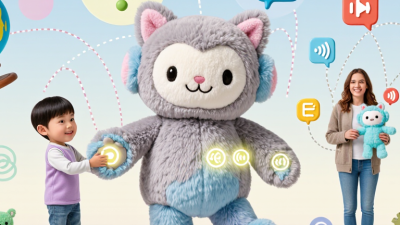
Why Are AI Plush Toys Popular Worldwide?
Why Are AI Plush Toys Popular Worldwide?
AI plush toys combine a familiar comfort object with responsive technology. A child squeezes a soft paw, asks a question, and hears a reply. For adults, a gentle voice or playful exchange can make a toy feel less like a gadget and more like a companion. Sherry Turkle, an MIT scholar of technology and society, wrote, “We expect more from technology and less from each other” in Alone Together. Her observation offers a useful lens: these toys may invite connection, but they also raise questions about what people expect from it.
Their appeal is not identical everywhere. Families may value language practice, storytelling, or interactive play; collectors may enjoy character design and novelty. A toy’s voice, response speed, privacy settings, and age guidance can shape whether it feels delightful or frustrating. Small details matter. A familiar bedtime story can charm; a repeated, awkward answer can break the spell. The experience also depends on thoughtful design, clear product information, and suitable adult supervision for younger children.
This introduction explores the forces behind their global popularity, from emotional appeal and personalization to changing play habits. It also considers practical limits: AI responses can be imperfect, features differ by product, and a plush toy cannot replace human care. That last point deserves more reflection than marketing often allows. Popularity is real, but it is not proof that every child needs one.
Read more »
 By:Elowen
- October 30, 2026
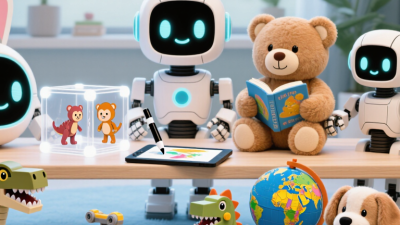
Top 10 AI Designed Toys for Global Buyers
AI designed toys are changing how children play, learn, and interact with products at home. Some respond to spoken questions, while others adjust puzzles or stories to a child’s progress. The experience can feel personal. It can also raise practical questions about privacy, screen time, and how much adult guidance is needed.
For global buyers, an appealing feature is only part of the decision. Age suitability, clear instructions, durable materials, and reliable after-sales support matter too. Buyers should check product documentation and confirm that safety and privacy requirements are appropriate for each target market. Requirements vary. A polished demo alone is not enough.
This guide introduces ten AI designed toys and the details that help distinguish them, from interactive companions to creative learning kits. It considers how each product works, who may enjoy it, and what buyers should verify before choosing. Look closely at setup, connectivity, language options, and whether core play remains useful without an internet connection. Small details matter. No shortlist can predict every child’s needs, and product claims deserve careful review. That part is easy to overlook. The goal is a more informed comparison—not the assumption that every smart feature makes a toy better.
Read more »
By:Elowen
- October 30, 2026
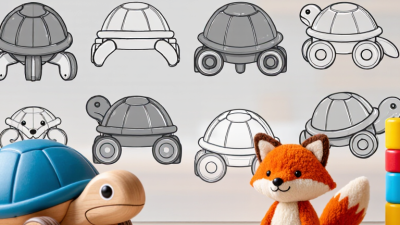
What Are AI Generated Toy Designs?
AI generated toy designs are visual concepts created with generative tools from written prompts, reference images, or sketches. A prompt might describe a wooden sea turtle with rounded flippers, a blue shell, and movable wheels. The system can produce several interpretations in minutes. That speed is useful. It does not make every result practical.
Designers can use these images to explore shapes, colors, characters, and play features before building a physical sample. They may compare a plush fox with stitched paws against a small stacking toy, then refine the direction with hand sketches or 3D software. The process still depends on human judgment. A polished image may hide weak joints, awkward proportions, difficult cleaning, or parts too small for the intended age group. Looks can mislead.
This guide explains how AI generated toy designs are created, where they fit in a product workflow, and what teams should review before production. It also considers prompt writing, iteration, prototyping, and communication between designers and manufacturers. Useful results require clear goals and careful checks, not just clever wording. I would not treat an attractive render as proof that a toy is safe, durable, or enjoyable. Those qualities need appropriate testing and qualified review. AI can open a door, but it cannot decide what children need. The boundary is worth questioning: when does faster ideation improve play, and when does it merely multiply images?
Read more »
By:Elowen
- October 30, 2026